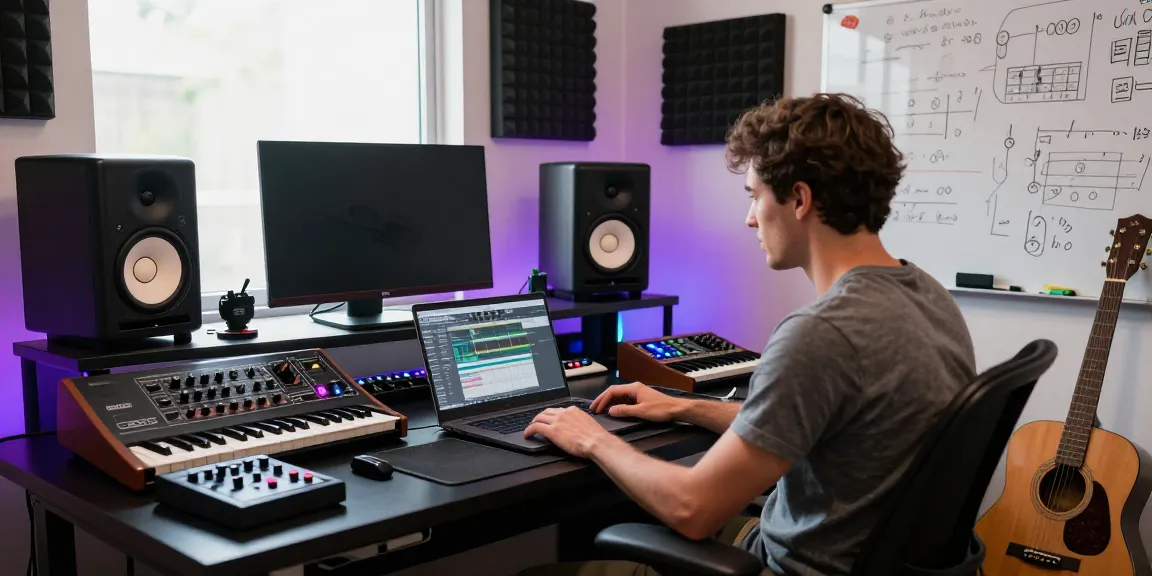
Understanding the Roland SC88: Features and Specs
The Roland SC88 is a venerable sound module that has been a staple in music production for decades. Launched in the mid-90s, it brought together an extensive library of sounds and robust MIDI functionalities that many musicians and producers still rely on today. Its compatibility with various formats and adaptability to different musical genres make it a versatile choice for both studio use and live performances. If you’re delving into the world of music production, understanding the nuances of the SC88 can significantly enhance your workflow and creative potential.
What Makes the SC88 Unique?
The SC88 stands out for several reasons, chiefly its comprehensive set of sound patches and its ease of integration into modern setups. It features 8MB of waveforms, offering 354 patches from the SC55 MkII and over 300 additional sounds from the JV80 series. This rich library allows musicians to choose from a broad palette of sonic colors, making it ideal for everything from MIDI compositions to live sound reinforcement.
Technical Specifications You Need to Know
- Sound Engine: General MIDI 1 and GS compatible
- Polyphony: 64 voices
- Connections: MIDI In/Out, stereo audio output
- Sampling Rate: 44.1 kHz
- Memory: 8MB of internal ROM
These technical specifications make the SC88 suitable not only for home studios but also for larger setups, where reliability and sound quality are paramount.
Key Techniques for Using the SC88
Utilizing the SC88 to its full potential requires an understanding of its capabilities and features. This section will cover basic setup and configuration, advanced sound design techniques, and how to integrate the SC88 with Digital Audio Workstations (DAWs).
Basic Setup and Configuration
Setting up the SC88 is fairly straightforward. Connect the MIDI OUT from your keyboard/controller to the MIDI IN on the SC88. Follow this by routing the audio output to your mixer or audio interface. Input your desired sounds, and you are ready to start creating! Ensure you configure the MIDI channels correctly so that your DAW can communicate with the SC88 without issues.
Advanced Sound Design Techniques
Once you have the basic setup, dive deeper into sound design. The SC88 allows layering of sounds, which can be achieved by sending multiple MIDI channels to the same output. Experiment with velocity layers and modulation to create rich, dynamic patches. Additionally, using effects like reverb and chorus can significantly enhance the overall sound.
Integrating SC88 with DAWs
To maximize your workflow, integrating the SC88 with your preferred DAW is essential. Most DAWs will recognize the SC88 as a MIDI device. Whether you are using Logic Pro, Ableton Live, or FL Studio, simply add the SC88 as an external instrument. Ensure to save your MIDI configurations to streamline your process.
Practical Applications of the SC88 in Music Production
The versatility of the SC88 makes it an asset in various music production contexts. From creating unique soundscapes to being the backbone of live performances, the applications are numerous.
Creating Unique Soundscapes
With its rich sound library, the SC88 can be utilized to create atmospheric soundscapes for film scoring or electronic music. Use the layered sounds to build complex textures, and don’t shy away from utilizing its extensive effects library to manipulate sounds creatively.
Using SC88 in Live Performances
Many musicians have found the SC88 to be a reliable companion in live situations. Its lightweight and compact design make it easy to transport, while its MIDI capabilities allow seamless integration with other hardware. Always pre-test your patches before the gig to ensure smooth operation during performances.
Real-world Examples from Industry Professionals
Numerous artists have incorporated the SC88 into their setups, leveraging its unique sounds. From electronic musicians to film composers, the common thread is the ability to create intricate and nuanced music with the SC88’s capabilities. This showcases its relevance across different genres and production contexts.
Maintenance and Troubleshooting Tips
While the SC88 is known for its durability, proper maintenance is crucial to ensuring longevity and performance. This section will explore common issues and solutions, alongside tips for maintaining your SC88.
Common Issues and How to Fix Them
One of the most frequently encountered issues is connectivity problems between the SC88 and your DAW. Ensure all your firmware is up to date and that your MIDI settings are correctly configured. If you experience distortion in the sound, check your audio cables and connections.
Maintaining Your SC88 for Longevity
Regularly clean the exterior and ensure that the unit is stored in a dry environment. Consider using a soft cloth to remove dust from the buttons and knobs. Additionally, make sure to periodically check for software updates from Roland to keep your SC88 running smoothly.
Resources for Technical Support
Roland provides an extensive repository of resources, including manuals and troubleshooting guides, on their official website. Joining music production forums can also connect you with other SC88 users who can provide valuable advice and support.
Future Trends in Music Production Technology
As technology continues to evolve, the landscape of music production is changing. Here’s how the SC88 remains relevant and what emerging trends to watch.
How the SC88 Stays Relevant in 2026
The SC88 may be an older model, but its sound quality and reliability keep it in demand. Many producers tout it for its warm sounds and classic character, which modern equipment often struggles to replicate. Additionally, its ability to integrate into new software and hardware systems helps maintain its place in studios.
Emerging Technologies to Watch
Several technologies are on the rise, including AI-driven music composition tools and advanced sampling techniques. These innovations could change the way musicians create, but the fundamental importance of sound quality and user experience will always keep devices like the SC88 relevant.
Predictions for Future Sound Modules
Future sound modules will likely continue to blend the best of analog and digital technologies, offering unprecedented flexibility and sound design capabilities. Expect to see more features that cater to the creative needs of contemporary musicians, such as enhanced cloud integration and mobile app connectivity.
Frequently Asked Questions
What is the Roland SC88’s current market value?
The SC88 can typically be found at various price points depending on its condition. Expect to pay anywhere from $200 to $400 for a second-hand unit, depending on its condition and included accessories.
Can the SC88 connect wirelessly?
Unfortunately, the SC88 does not support wireless connectivity. It is designed to operate through direct MIDI connections.
What is the best way to update SC88 firmware?
Firmware updates for the SC88 can be obtained from the Roland website. Download the update, and follow the specific instructions provided in the manual for installation.
Is the SC88 suitable for beginners?
Yes, the SC88 is user-friendly and provides a great starting point for beginners looking to explore music production.
How does the SC88 compare to newer models?
While newer models may offer advanced features and improved sound libraries, the SC88 is still praised for its sound quality and ease of use. Many musicians appreciate its classic sounds that can be hard to replicate with newer technology.